
Home Mission Model Evidence Resources Training Our Work News About Login Contact Us
Home/ Our Work
The MISSION Behavioral Health Lab

Research that moves whole-person care forward.

The MISSION Behavioral Health Lab is dedicated to conducting state-of-the-art research toward advancing our understanding of the etiology, consequences, and treatment of addiction and mental health, as well as the implementation of evidence-based practices. The Lab serves as an academic incubator for collaborations within the Department of Medicine, the UMass Chan Medical School, other University of Massachusetts campuses, and beyond.
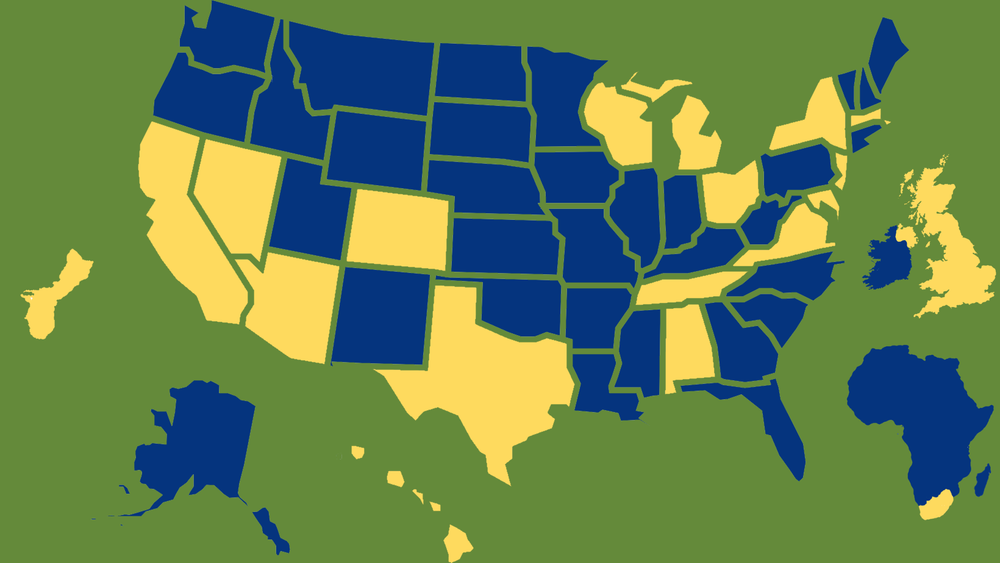
Map of MISSION implementation sites across the U.S. and the world
Active Projects

Current MISSION research & implementation

Federally and state-funded studies testing and delivering MISSION wraparound services for individuals with co-occurring substance use and mental health disorders.

MISSION-STAR-COD

Supporting Treatment and Recovery for Co-Occurring Disorders. Augments Medication for Opioid Use Disorder (MOUD) usual care with the time-limited MISSION wraparound intervention for individuals with co-occurring opioid addiction and mental illness. A 4-year, 5-arm RCT with a fractional factorial design among 1,000 patients across 9 MOUD programs, testing the added benefit of MISSION or its components plus MOUD compared to MOUD alone.

PI: David Smelson, Psy.D.  ·  Supported by NIH/NIMH  ·  2021–2026

MISSION-STAR-LS

Supporting Treatment Access and Recovery through Linkage and Support. A randomized controlled trial embedded within the City of Worcester 911 call center that compares MISSION and low-intensity linkage support.

PI: David Smelson, Psy.D.  ·  Supported by CDC  ·  2021–2025

MISSION-OUD

Supporting Treatment Access and Recovery for Opioid Use Disorder. Provides wraparound MISSION services to individuals with co-occurring disorders to increase access to mental health, substance use, trauma, and employment services.

PI: Jennifer Harter, Ph.D.  ·  Supported by SAMHSA  ·  2021–2027

MISSION-Springfield

Enhances existing COD treatment services provided through the Springfield Drug Court by administering MISSION-Criminal Justice services — intensive case management, peer support, COD and trauma-informed counseling, and care linkage and coordination to recovery and wraparound supports, including Medications for opioid use disorder (MOUD), employment, and housing.

PI: Sheila Casey, Esq.  ·  Supported by SAMHSA/CSAT  ·  2020–2025

VA Projects

Serving Veterans through the VA

Implementation science and clinical trials advancing MISSION for Veterans experiencing homelessness, opioid dependence, and reentry from incarceration.

2020–2025
The Bridge QUERI II
Following from the first implementation science center, the BRIDGE QUERI II includes a series of center cores and 3 projects focused on interventions for vulnerable populations of Veterans — those experiencing homelessness, those who are opiate dependent, and those exiting incarceration. The projects span 18 states nationally with the goal of examining drivers of uptake for delivering evidence-based practices in programs. Co-PIs: David Smelson, Psy.D., Keith McInnes, ScD, MS, Amanda Midboe, Ph.D., and Rani Elwy, Ph.D. Supported by VA QUERI.
2019–2024
MISSION-CJ for Justice-Involved Homeless Veterans with Co-Occurring Substance Use and Mental Health Disorders
A randomized controlled trial of MISSION-CJ for chronically homeless and criminal justice-involved Veterans with a COD in VA Mental Health Residential Rehabilitation Treatment Programs. Veterans receive MISSION-CJ services while engaged in the program and post-discharge in the community. Co-PIs: David Smelson, Psy.D., Daniel Blonigen, Ph.D. Supported by VA HSR&D.
2022
MISSION-Hub
A supplement to the BRIDGE QUERI II providing funding to develop and pilot test the feasibility of a virtual care hub to deliver MISSION services to 3 Veterans Administration Medical Centers around the country where MISSION is unavailable. PI: David Smelson, Psy.D. Supported by VA QUERI.
Active Collaborations

Partnering across the field

Collaborative studies extending MISSION's reach into whole health coaching and gender-specific treatment.

2021–2025
Using Data Analytics and Targeted Whole Health Coaching to Reduce Frequent Utilization of Acute Care among Homeless Veterans
A multisite randomized controlled trial of Whole Health Coaching for high-risk homeless individuals. Data analytics are used to identify and enroll high-risk Veterans through the hot spotter registry. PI: Daniel Blonigen, Ph.D. Supported by VA HSR&D.
2021–2025
A Female-Specific Cognitive Behavioral Therapy for Alcohol Use Disorders in VA Primary Care
A multisite RCT to test the effectiveness of a gender-specific cognitive behavioral therapy in primary care for increasing access and engagement in care. Co-PIs: Elizabeth Epstein, Ph.D., David Smelson, Psy.D., and Scott Sherman, Ph.D. Supported by NIH/NIDA.
1,000
patients in the STAR-COD trial
180
individuals served by MISSION-MAT
18
states reached by the BRIDGE QUERI II
9
MOUD programs in the STAR-COD trial
Past Projects

A legacy of MISSION research

Previous MISSION projects have focused on the development, implementation, and evaluation of the co-occurring substance use and mental health disorders (CODs) services provided through MISSION programs. These studies were the result of collaborative efforts between multiple partner organizations. Inactive MISSION project abstracts are listed below in roughly chronological order.

1999–2005
MISSION Model Development Project
Developed and piloted the original MISSION model. Military veterans with CODs were recruited from an acute inpatient psychiatry setting; the treatment group received eight weeks of MISSION services and the comparison group received treatment as usual (TAU). The MISSION group showed improvements in treatment attendance, hospitalization days, and substance use compared to TAU participants. PI: David Smelson, Psy.D. Supported by VA OPCS/VISN 3 MIRECC.
2004–2010
MISSION-NJ
The MISSION-New Jersey project examined outcomes in a year-long MISSION intervention. Veterans with CODs received either TAU or TAU plus 12 months of MISSION services. MISSION participants had fewer days and episodes of hospitalization at two and six months post-study entry than controls, and exhibited greater improvements in global psychiatric functioning at the six-month follow-up. PI: David Smelson, Psy.D. Supported by SAMHSA.
2005–2009
Brief 2-Month Intervention
Examined MISSION outcomes in a brief two-month intervention. Veterans with CODs were recruited from an acute inpatient psychiatry setting; the treatment group received eight weeks of MISSION and the comparison group received eight weeks of matched attention health education. MISSION participants demonstrated significant improvements in service engagement compared to controls. PI: David Smelson, Psy.D. Supported by VA HSR&D.
2008–2013
MISSION-DIRECT VET
MISSION-Diversion and Recovery for Traumatized Veterans was a 12-month MISSION intervention for incarcerated veterans with CODs, who were offered MISSION services in lieu of jail time. Participants demonstrated significant improvements in substance abuse, depression and functioning, and emotional lability at a six-month follow-up. PI: Debra A. Pinals, M.D. Supported by SAMHSA-CMHS.
2010
MISSION-Vet Model Development
Resulted in the formal creation of the MISSION-Vet model and the corresponding treatment workbook. The model was developed specifically to meet the needs of veterans experiencing homelessness, whose ability to return to independent community living is complicated by mental illness and substance abuse. PI: David Smelson, Psy.D. Supported by VA ORD/HSR&D/NCHAV.
2010–2011
MISSION-CREW
The MISSION-Community Re-entry for Women program promoted successful community re-entry and care coordination among female inmates with CODs, integrating trauma-sensitive treatment, COD treatment, care coordination, and peer support, along with gender-specific re-entry service needs, comprehensive transition planning, and linkages to community-based care. PI: Debra A. Pinals, M.D. Supported by BJA.
2011–2012
MISSION-RAPS
MISSION-Re-entry and Peer Support, an enhancement of MISSION-CREW, examined the criminal justice outcomes of women released into the greater Boston area from MCI-Framingham and South Middlesex Correctional Center who had previously enrolled in the MISSION treatment program, focusing specifically on women offenders with CODs. PI: Debra A. Pinals, M.D. Supported by BJA.
2011–2014
MASS-MISSION
MISSION-Ending Chronic Homelessness in Central and Western Massachusetts was a 12-month MISSION intervention aimed at rapidly housing chronically homeless individuals in permanent housing while providing MISSION services to address underlying CODs. PI: David Smelson, Psy.D. Supported by SAMHSA-CABHI.
2012–2016
MISSION-HUD VASH
The collaboration between Housing and Urban Development (HUD) and the VA Supportive Housing Program (VASH) was the VA's largest initiative to end homelessness among Veterans. To combat high dropout rates, MISSION-HUD VASH augmented the MISSION-Vet model with an implementation platform called Getting to Outcomes (GTO), comparing participants receiving GTO and MISSION-Vet to a control group receiving MISSION-Vet as usual. PIs: David Smelson, Psy.D. & Matthew Chinman, Ph.D. Supported by VA ORD.
2013–2015
MISSION-I-RAPS
The MISSION-Integrated Re-entry and Peer Support project delivered specialized MISSION services to inmates with CODs being released from the Massachusetts Correctional Institutions at Framingham, South Middlesex Correctional Center, and Old Colony Correctional Center, aiming to reduce recidivism and substance abuse and improve mental health outcomes. PI: David Smelson, Psy.D. Supported by BJA.
2013–2016
MISSION-FORWARD
MISSION-For Offenders Recovering With Awareness, Resources, and Dignity enhanced two Metro Boston specialty courts — the Quincy Adult Drug Court and the Dedham Veterans Treatment Court — by embedding the MISSION wraparound service model within both courts to treat CODs and related problems affecting recidivism. PI: Hilary Jacobs, M.S.W. Supported by SAMHSA/CSAT.
2013–2016
MISSION-Housed
Designed to enhance the efforts of the Massachusetts Interagency Council on Housing and Homeless toward ending homelessness, MISSION-Housed delivered permanent housing and support services to chronically homeless individuals with CODs in the Metro Boston area through the MISSION wraparound service model. PI: David Smelson, Psy.D. Supported by CSAT/CMHS.
2012–2017
Improving Outcomes for Homeless Veterans with Peer Support
A multisite randomized controlled trial delivering peer support to homeless veterans with co-occurring mental illnesses and substance abuse issues, using the peer support intervention treatment guide available in the MISSION-Vet Consumer Workbook. PI: Marsha Ellison, Ph.D. Supported by VA HSR&D.
2014–2018
MISSION-DIRECT VET
An alternative to incarceration and trauma recovery treatment program for criminal justice-involved veterans with co-occurring disorders, providing services as a condition of probation in lieu of incarceration at sites in Western and Central Massachusetts. Originally a SAMHSA-funded grant, it has been funded by the Massachusetts Department of Mental Health since 2014. PI: David Smelson, Psy.D. Supported by MA DMH.
2014–2018
MISSION-CREST
The MISSION-Court Related Enhancement Services for Treatment project enhanced and expanded existing Springfield Mental Health Court services through infrastructure planning and development, while providing MISSION-Criminal Justice to individuals with CODs involved in the Springfield District Court. PI: Debra A. Pinals, M.D. Supported by SAMHSA/CMHS.
2015–2018
MISSION-WI-RAPS
MISSION-West: Integrated Re-entry and Peer Support delivered specialized MISSION services to inmates with CODs being released from the Hampden County Sheriff's Department correctional centers, aiming to reduce recidivism and substance abuse and improve mental health outcomes. PI: Debra A. Pinals, M.D. Supported by BJA.
2015–2018
MISSION-Cape
Enhanced existing COD treatment services provided through the Barnstable Drug Court by administering MISSION-Criminal Justice services, including medication assisted treatment, mental health and trauma-informed therapy, employment opportunities, and housing through intensive case management and peer support. PI: Sheila Casey, Esq. Supported by SAMHSA/CSAT.
2016–2019
MISSION/BMetro
MISSION-Boston/Metro enhanced existing COD treatment services provided by the Quincy and Chelsea Drug Courts via the MISSION-Criminal Justice model, increasing access to mental health, substance abuse, trauma, and employment services among active drug court participants transitioning out of residential care. PI: Sheila Casey, Esq. Supported by SAMHSA/CSAT.
2017–2019
MAT-RI STR
The Medication Assisted Treatment Reentry Initiative, part of the Massachusetts State Targeted Response to the Opioid Crisis, provided individuals reentering the community from correctional facilities with medication assisted treatment, case management, and post-linkage services using the MISSION-Criminal Justice and Recovery Support Navigator models. PI: Allison Bauer, J.D. Supported by SAMHSA/CSAT.
2017–2019
MI-REP
The Michigan Reentry Project, embedded within the Michigan State Targeted Response to the Opioid Crisis, used the MISSION-Criminal Justice model to target the co-occurring mental health and opiate use disorder treatment needs of criminally-involved individuals. PI: Elizabeth Agius, B.A. Supported by SAMHSA/CSAT.
2015–2020
MISSION-HPACT Implementation
Part of the VA's Bridging the Care Continuum QUERI Center, the MISSION-Homeless Patient Aligned Care Team Implementation project implemented the MISSION-Vet model in Greater Los Angeles Homeless-PACT clinics to better understand how to implement and sustain complex interventions. PI: David Smelson, Psy.D. Supported by VA QUERI.
2018–2021
MISSION-MAT
MISSION-to Enhance Access to Medication Assisted Treatment provided MAT and MISSION wraparound treatment and support services to 180 homeless individuals, and individuals at risk for homelessness, with a co-occurring opioid use disorder and mental health disorder to increase MAT utilization, reduce substance use, and improve mental health in Central Massachusetts. PI: Ayorkor Gaba, Psy.D. Supported by SAMHSA/CSAT.
2018–2020
MAT-RI SOR
Part of the Massachusetts State Opioid Response Grant, providing individuals reentering the community from correctional facilities with medication assisted treatment, case management, and post-linkage services using the MISSION-Criminal Justice and Recovery Support Navigator models. PI: Jim Cremer. Supported by SAMHSA/CSAT.
2018–2020
MI-REP 2
Part of the Michigan State Opioid Response Grant, providing individuals reentering the community from jails and prisons with medication assisted treatment, case management, and post-linkage services using the MISSION-Criminal Justice model. PI: Elizabeth Agius, B.A. Supported by SAMHSA/CSAT.
2017–2020
MI-West
Ending Chronic Homelessness Through Permanent Housing, Integrated Treatment, Case Management, and Peer Support in Western and Central Massachusetts (The Mass Mission Program) tested MISSION as a wraparound service for chronically homeless individuals in rural Western Massachusetts. PI: David Smelson, Psy.D. Supported by SAMHSA/CSAT.
2019–2021
MISSION-U
MISSION-U: A Multimedia Training Tool for Treating Individuals with Co-occurring Mental Health and Substance Use Disorders. A phase 2 study in partnership between UMass Chan Medical School and Praxis to commercialize a continuing education e-learning program to train treatment providers on the MISSION Model. PI: David Smelson, Psy.D. Supported by NIH/NIDA.
2017–2022
MISSION-West
MISSION-Western Massachusetts provided wraparound services to chronically homeless individuals with CODs via the MISSION model, increasing access to permanent housing, mental health, substance abuse, trauma, and employment services among homeless individuals in Western Massachusetts. PI: David Smelson, Psy.D. Supported by SAMHSA/CSAT.
2017–2022
MISSION-Hope
Enhanced and expanded the Franklin County Family Drug Court's efforts to ameliorate the impact of opioid and other substance use and CODs for parents, children, and caregivers via the MISSION-Criminal Justice model, promoting family stability and unification and access to mental health, substance abuse, trauma, employment, and familial support services for families involved in the drug and juvenile courts. PI: Sheila Casey, Esq. Supported by SAMHSA/CSAT.
2018–2023
MISSION-Cape Cod
Enhanced existing COD treatment services provided through the Barnstable Drug Court by administering MISSION-Criminal Justice services, including medication assisted treatment, mental health and trauma-informed therapy, employment opportunities, and housing through intensive case management and peer support. PI: Sheila Casey, Esq. Supported by SAMHSA/CSAT.
2019–2024
MISSION-Mill Cities
Enhanced existing COD treatment services provided through the Lowell and Lawrence Drug Courts by administering MISSION-Criminal Justice services, including medication assisted treatment, mental health and trauma-informed therapy, employment opportunities, and housing through intensive case management and peer support. PI: Sheila Casey, Esq. Supported by SAMHSA/CSAT.

Bring evidence-based, whole-person care to your community

Interested in implementing MISSION, billing for services, or partnering on research? Our team will help you get started.